No, you cannot get a DUI on bicycle rides in Washington state. However, operating a bicycle under the combined influence of alcohol and drugs carries serious legal implications. In Washington State, comprehensive laws protect both cyclists and others sharing public roads from the dangers of impaired cycling. Understanding these regulations is essential for anyone who uses a bicycle as their primary mode of transportation or for recreation.
Table of Contents
Torrone’s Takeaways
- Familiarize yourself with DUI laws for cyclists in your state, including BAC limits and potential penalties.
- Refrain from cycling under the influence of alcohol or drugs.
- Designate a sober rider, use public transportation, or avoid cycling altogether if you plan to drink.
- Wear a helmet, use lights, and follow traffic laws.
- If you’re arrested for a DUI, consult with an experienced attorney to protect your rights.
- Participate in community programs and campaigns that promote bicycle safety.
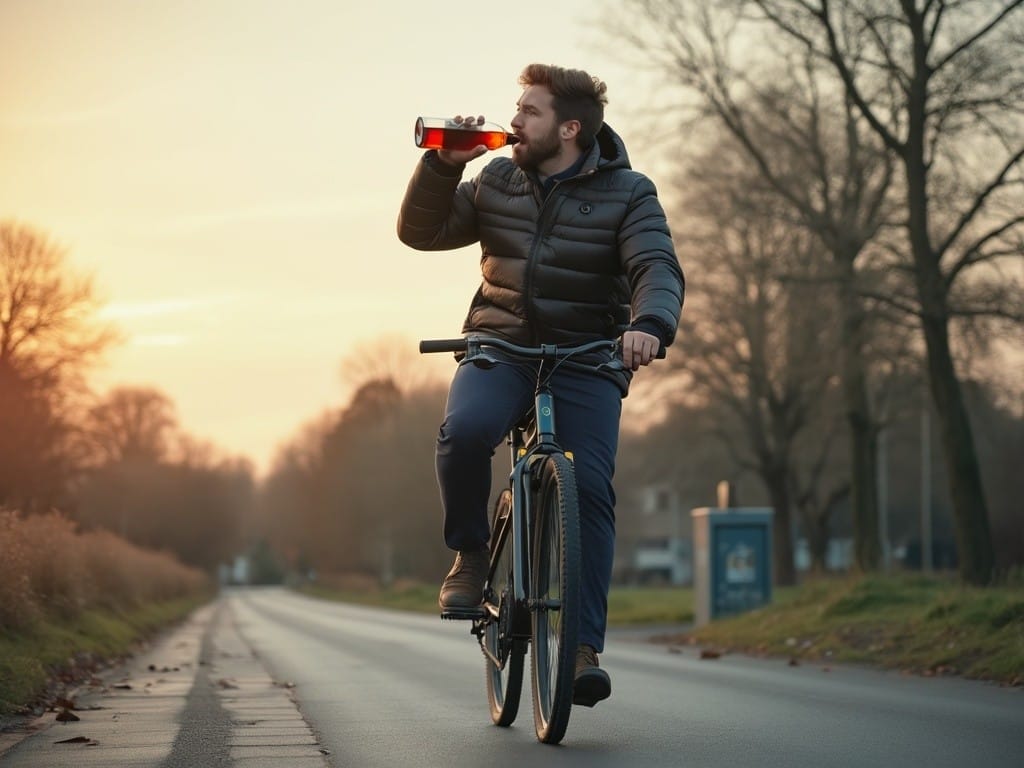
Misconceptions about Bicycles and DUI
One of the most common misconceptions about bicycle DUI is that it is illegal to ride a bicycle while under the influence of alcohol or drugs. However, this is not the case in all jurisdictions. In many states, including Washington, there are no specific laws prohibiting bicycle DUI. This means that a cyclist cannot be arrested for DUI, even if they are clearly intoxicated.
However, it is important to note that this does not mean that it is safe to ride a bicycle while impaired. In fact, riding a bicycle while under the influence can be extremely dangerous, both for the cyclist and for others. Impaired cyclists are more likely to be involved in accidents, and they are also more likely to suffer serious injuries if they are involved in a crash.
Legal distinction between bicycles and motor vehicles
In Washington State, bicycles are considered vehicles, but they are not subject to the same DUI laws as motor vehicles. This means that even if a cyclist is intoxicated, they cannot be charged with DUI. However, it’s important to note that this does not mean that cycling under the influence is without consequences.
Why riders aren’t subject to DUI laws?
There are several reasons why bicycle riders aren’t subject to DUI laws:
Different levels of impairment
The effects of alcohol and drugs on a cyclist’s ability to operate a bicycle are different from their effects on a driver’s ability to operate a motor vehicle. Cyclists are more exposed to the elements and are more likely to be injured in a crash, even at low speeds.
Lack of specific legislation
While there are laws prohibiting reckless cycling and other traffic violations, there are no specific laws prohibiting cycling under the influence.
Practical difficulties in enforcement
It can be difficult to determine if a cyclist is impaired, especially if they are not involved in a crash. Law enforcement officers may not have the same tools and resources to assess impairment in cyclists as they do with drivers.
Bicycle safety and traffic laws
While cyclists may not be subject to DUI laws, they are still responsible for following traffic laws and riding safely. This includes obeying traffic signals, riding in the appropriate direction, and using hand signals. Cyclists should also be aware of the dangers of distracted cycling, such as texting or using a phone while riding.
Impaired cycling
Even though cyclists cannot be charged with DUI, they can still be charged with other traffic violations if they are impaired. For example, a cyclist who is riding recklessly or endangering others could be charged with reckless endangerment or other similar offenses. Additionally, if a cyclist is involved in a crash while impaired, they could be held liable for any damages or injuries caused.

The Dangers of Cycling Under the Influence
Physical Risks and Injuries
Cycling under the influence of alcohol significantly increases the risk of bicycle collisions and serious injuries. When alcohol impairment affects a cyclist’s judgment and coordination, the likelihood of accidents rises dramatically.
Head trauma represents one of the most severe potential consequences, even when wearing proper bicycle equipment. While helmets provide essential protection, they cannot completely prevent injuries when alcohol leads to impaired decision-making and delayed reactions.
Broken bones occur frequently in bicycle incidents involving impaired cyclists, particularly affecting the arms, legs, collarbone, and ribs. The relatively unprotected nature of cycling means that any collision can result in severe physical trauma. Internal injuries pose another serious risk, with organ damage and internal bleeding representing potentially life-threatening consequences of impaired cycling accidents.
Impact on Others
The consequences of cycling under the influence extend beyond personal injury to affect other road users. Impaired cyclists may collide with pedestrians, causing serious harm to innocent bystanders. Additionally, motorists attempting to avoid intoxicated cyclists may cause accidents involving other vehicles. The ripple effects of one person’s decision to cycle while impaired can lead to multiple casualties and extensive property damage.
Public concerns
While there are no specific laws prohibiting bicycle DUI, cyclists can still be held liable for any accidents or injuries that they cause while riding under the influence. For example, if a cyclist is involved in a collision with a pedestrian or another cyclist while intoxicated, they could be sued for damages. Additionally, cyclists who are impaired may also be charged with other offenses, such as reckless driving or disorderly conduct.
Table: Comparison of Risks in Impaired vs. Sober Cycling.
| Factor | Impaired Cycling | Sober Cycling |
|---|---|---|
| Reaction Time | Slowed reaction time, difficulty responding to hazards | Quick reaction time, ability to respond to changing conditions |
| Judgment | Impaired judgment, poor decision-making | Clear judgment, ability to make sound decisions |
| Balance and Coordination | Difficulty balancing, increased risk of falling | Good balance and coordination, reduced risk of accidents |
| Risk of Injury | Higher risk of serious injuries, including head trauma, broken bones, and internal injuries | Lower risk of injury, increased safety |
Responsible Cycling Practices
Prevention Strategies
Responsible cycling begins with proper planning and awareness. Before embarking on any cycling route, cyclists should carefully consider traffic patterns, road conditions, and potential hazards. Weather conditions significantly impact cycling safety, making it essential to check forecasts and prepare accordingly.
When planning activities involving alcoholic beverage consumption, arranging alternative transportation methods beforehand prevents impulsive decisions to cycle while alcohol intoxication. Proper planning and consideration of drunk biking, biking after drinking, and biking under influence is important for cyclist safety.
Safety Measures
Proper bicycle equipment plays a vital role in preventing accidents and injuries. Regular maintenance checks ensure all components function correctly, from brakes to lighting systems. Reflective clothing enhances visibility, particularly during low-light conditions or on neighborhood streets with minimal proper lights. The aspect of bicycle, bicycle charge, and Improper bicycle equipment charge are important to consider for cyclist safety.
Cyclists should maintain awareness of their surroundings at all times, anticipating potential hazards and adjusting their speed and position accordingly. Following are some tips to help you stay safe while riding a bicycle. Awareness of bicycle accident, bicycle through neighborhood streets, and bicycle with earphones is imperative.

Community Initiatives and Support
Many communities have local programs and organizations dedicated to promoting bicycle safety and reducing the number of drunk driving-related accidents. These organizations offer a variety of resources and services, such as:
Bicycle Safety Education
Local organizations often offer bicycle safety education programs for people of all ages. These programs teach cyclists about the rules of the road, defensive riding techniques, and the importance of wearing a helmet. Bicycle safety education is important for criminal defense attorneys, criminal defense law firm, and criminal defense lawyer to understand.
Sober Ride Programs
Sober ride programs provide safe transportation options for people who have been drinking alcohol. These programs may offer free or discounted rides home, either through designated driver programs or partnerships with taxi and rideshare services. Sober ride programs can help prevent drunk driving charges, drunk driving, and public intoxication.
Public Service Announcements
Public service announcements (PSAs) can be used to educate the public about the dangers of biking under the influence. PSAs can be aired on television, radio, and social media. Public service announcements are an effective way to address blood alcohol concentration, blood alcohol content, and influence of drugs.
Social Media Outreach
Social media is a powerful tool for reaching a wide audience. Social media campaigns can be used to share information about bicycle safety, DUI laws, and the consequences of biking under the influence. Social media outreach can help spread awareness of criminal charges, criminal offense, and legal consequences.
Community Events
Community events, such as bike safety fairs and bike rodeos, can be used to educate the public about bicycle safety and promote responsible cycling. These events often include activities for children and adults, such as bike safety checks, helmet fittings, and obstacle courses. Community events provide opportunities for police officers, probation officer, and legal professionals to engage with the community on bicycle safety topics.

The Future of Bicycle Safety and Policy
Emerging Technologies
As technology continues to advance, so too does its potential to enhance bicycle safety. One promising area is the development of smart bike technology. These innovative devices can incorporate a range of features, including GPS tracking, automatic emergency alerts, and integration with smartphone apps.
By using the power of IoT devices and AI-powered systems, smart bikes can provide real-time information on traffic conditions, potential hazards, and the rider’s physiological state. Smart bike technology can help prevent bicycle accidents and Improper bicycle equipment charge.
Another emerging technology with significant potential for bicycle safety is advanced rider assistance systems (ARAS). Similar to those found in modern automobiles, ARAS can equip bicycles with features like blind-spot detection, collision warning systems, and automatic braking.
These systems can help cyclists avoid accidents and reduce the risk of serious injuries. Advanced rider assistance systems are an important consideration for bicycle safety and cycling policies.
Policy Recommendations
To further enhance bicycle safety, policymakers should consider implementing a range of evidence-based strategies. One critical step is to invest in bicycle infrastructure that prioritizes the safety of cyclists. This includes building dedicated bike lanes, improving road surfaces, and installing adequate signage and proper lights.
Additionally, policymakers should work to educate the public about bicycle safety rules and regulations. This can be achieved through public awareness campaigns, school programs, and community outreach initiatives. Bicycle infrastructure, public awareness campaigns, and community outreach initiatives are essential for promoting bicycle safety and bike laws.
Another important policy consideration is the enforcement of traffic laws that protect cyclists. Law enforcement agencies should be adequately trained to recognize and address dangerous cycling behaviors, such as riding under the influence of alcohol or drugs. Furthermore, policymakers should explore the potential of incentivizing safe cycling behaviors.
This could involve offering tax breaks, reduced insurance premiums, or other incentives to cyclists who wear helmets, follow traffic laws, and participate in safety training programs. Effective law enforcement, criminal penalties, and administrative penalties are crucial for bicycle safety and cycling policies.
The Role of Education and Awareness
Education and awareness play a critical role in promoting bicycle safety. By educating cyclists about the risks of impaired cycling and the importance of following traffic laws, we can significantly reduce the number of accidents and injuries. Bicycle safety education programs should be offered to people of all ages, from young children to adults.
These programs should cover topics such as helmet safety, bike handling skills, and defensive riding techniques. Bicycle safety education programs are essential for criminal conviction, misdemeanor conviction, and misdemeanor offense prevention.
To increase public awareness of bicycle safety issues, it is essential to conduct targeted public awareness campaigns. These campaigns should highlight the dangers of impaired cycling, the importance of wearing helmets, and the benefits of using designated bike paths and lanes.
By using a variety of channels, such as social media, television, and print media, we can reach a wide audience and encourage responsible cycling behavior. Public awareness campaigns can address driving record, driving privileges, and loss of driving privileges concerns related to cycling.
Frequently Asked Questions About DUI on Bicycle Rides
1.Can I get a DUI on a bicycle in Washington State?
No, you cannot get a DUI on a bicycle in Washington State. However, it’s important to note that cycling under the influence of alcohol or drugs is still dangerous and can lead to accidents and injuries.
2. Can I be arrested for a DUI on a bicycle in Washington State?
No, you cannot be arrested for a DUI specifically for riding a bicycle in Washington State. However, it’s important to understand that cycling under the influence can still have serious legal and personal consequences.
3. Are there any laws against cycling under the influence in Washington State?
While there isn’t a specific law directly prohibiting cycling under the influence, it’s crucial to remember that reckless behavior, including impaired cycling, can lead to legal charges. For instance, if your impaired cycling results in an accident or injury, you could face charges like reckless endangerment or vehicular assault.
4. What are the potential consequences of cycling under the influence?
Cycling under the influence can have severe consequences, including:
- Legal Charges: You could face charges like reckless endangerment or vehicular assault if your impaired cycling leads to an accident or injury.
- Civil Liability: You could be held liable for any damages or injuries caused by your impaired cycling, leading to potential lawsuits.
- Personal Injury: Impaired cycling significantly increases the risk of accidents and serious injuries, including head trauma, broken bones, and internal injuries.
5. Can I be required to take a field sobriety test while cycling?
Yes, a law enforcement officer can administer a field sobriety test to a cyclist if they suspect impairment. While the specific tests may vary, they are designed to assess factors like balance, coordination, and cognitive function.
6. What should I do if I see someone cycling under the influence?
If you witness someone cycling under the influence, it’s advisable to contact local law enforcement. Provide as much detail as possible, such as the cyclist’s description, location, and any erratic behavior you observed.
7. Can I be denied a driver’s license for cycling under the influence?
While cycling under the influence directly affects your cycling privileges, it could indirectly impact your driver’s license. If your impaired cycling leads to a DUI or other serious traffic offense, it may result in license suspension or revocation.
8. What are the dangers of cycling under the influence?
Cycling under the influence of alcohol or drugs can impair your judgment, coordination, and reaction time, increasing your risk of accidents and injuries.
9. How can I get help if I or someone I know is struggling with alcohol or drug abuse?
If you or someone you know is struggling with alcohol or drug abuse, there are many resources available to help. You can contact a local treatment center, a mental health professional, or a support group.
Conclusion
Biking under the influence can have serious consequences, including legal penalties, injuries, and even death. By understanding the risks and taking steps to make safe choices, you can help protect yourself and others. It’s always best to plan ahead, designate a sober rider, and avoid drinking or using drugs before or during a ride. If you or someone you know has been arrested for a bicycle DUI, it’s important to seek legal advice to understand your rights and protect your interests.